Beacon Hill recently released a blog about the benefits of meditation. But before you’re able to notice each of these 10 key positives, you must know how to meditate.
So, as you prepare to meditate—perhaps for the first time—what exactly should you know? And what exactly should you do?
While looking ahead to a less stressful, healthier, and happier future (since meditation will benefit you in various ways), please keep the following in mind as you start to meditate.
Purchase Everything You Need. Before you start meditating, be sure to buy everything you need for absolute comfort. Whether you’re going to meditate in a chair (you’ll want to consider buying a meditation chair or cushion), in your bed (purchase a mat for it), or on the floor (buy a mat or rug)—the more comfortable you are, the more successful you’ll be.
Look for Tranquility. Once you’ve purchased whatever you need, seek out a calm, quiet place in your residence. Utter tranquility is important for meditation. After all, meditation will require your complete focus on each of your breaths, leading to more calmness, clarity, and awareness in your everyday life.
Sit Still and Straight. After you’ve found a quiet area, make sure your body is as stable and comfortable as possible. Stability and comfort will result in consistent meditation sessions. If you’d prefer to lie down instead, just ensure you’re as still and comfortable as you can be.
Determine Your Best Session Length. Perhaps you’re only comfortable with five-minute meditation sessions at first? Maybe you’d like to start out with short sessions and then build yourself up from there? Don’t worry about the length of your sessions. Instead, focus only on their successes.
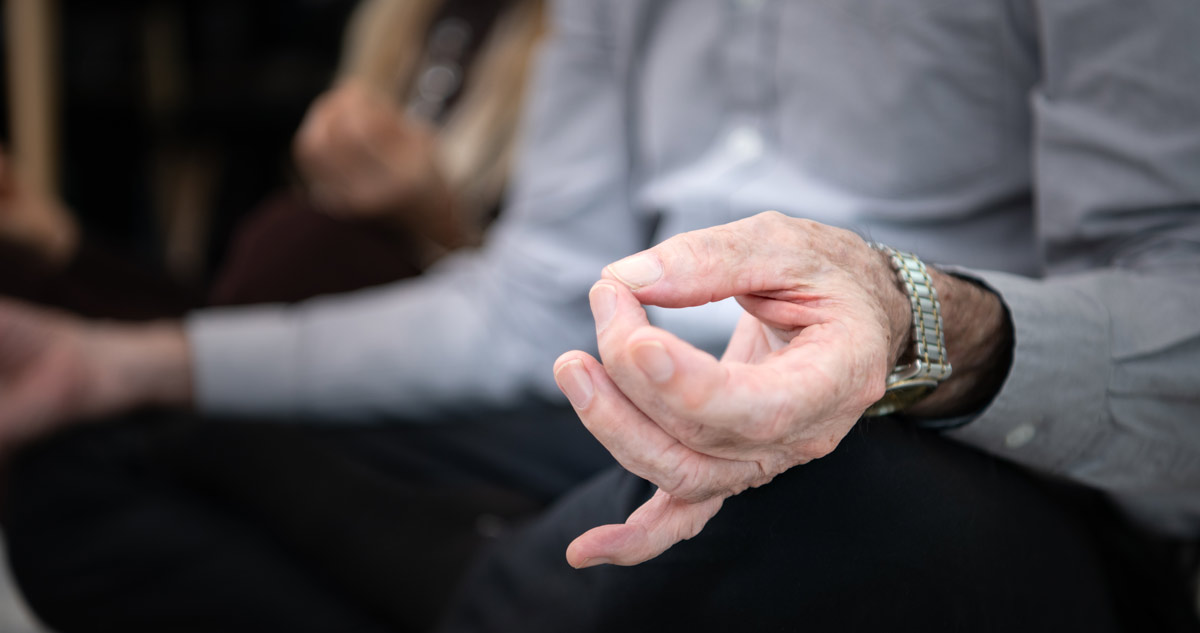
Position Your Hands. Before you start meditating, your hands must be placed properly. Again, this is personal preference. Perhaps you’d like to fold them? Or maybe you’d rather have them at your sides. Whatever you choose, make sure you’re as comfortable as possible.
Close Your Eyes. To minimize all distractions, there is arguably no better method than to close your eyes. Your focus will improve. You’ll feel more relaxed and less tense. And your sessions will be more successful consistently. Consider buying an eye mask or an eye pillow before you start meditating, too.
Focus on Each Breath. As your session begins, strive to focus on each breath. Breathe in and out, fully and deeply. Follow each breath and maintain your complete concentration on every single one—until your session ends.
Focus on Your Body. As you breathe in and out, focus on how your body feels. Determine where your aches and pains are (and aren’t). By focusing on your body, you’ll be able to change your frame of mind eventually. In turn, you’ll concentrate less on your pain and more on the positives associated with your body (and life).
Admit When Your Mind Wanders. There is no doubt about it. No matter how long you meditate for or how experienced you become, you will lose focus on your breath at times. That’s completely okay! Mistakes happen, and you’re only human! Strive to notice when you lose focus and then work on regaining it.
End Your Session Slowly. Don’t just stop meditating out of the blue. It’s important to end your session slowly, rather than suddenly. Take fewer deep breaths over a period of time, to the point in which you’re eventually breathing normally again.
Reflect. Slowly start to open your eyes and remain seated for at least a couple of minutes. Once you’re comfortable with standing up, carry on with your day. Notice how much more relaxed you are. Reflect on the positives of your session—and then maintain your positivity throughout the rest of your day.
Simply put, there is no better time than now to start meditating. By implementing each of these tips, your meditation sessions will likely be more successful long-term!